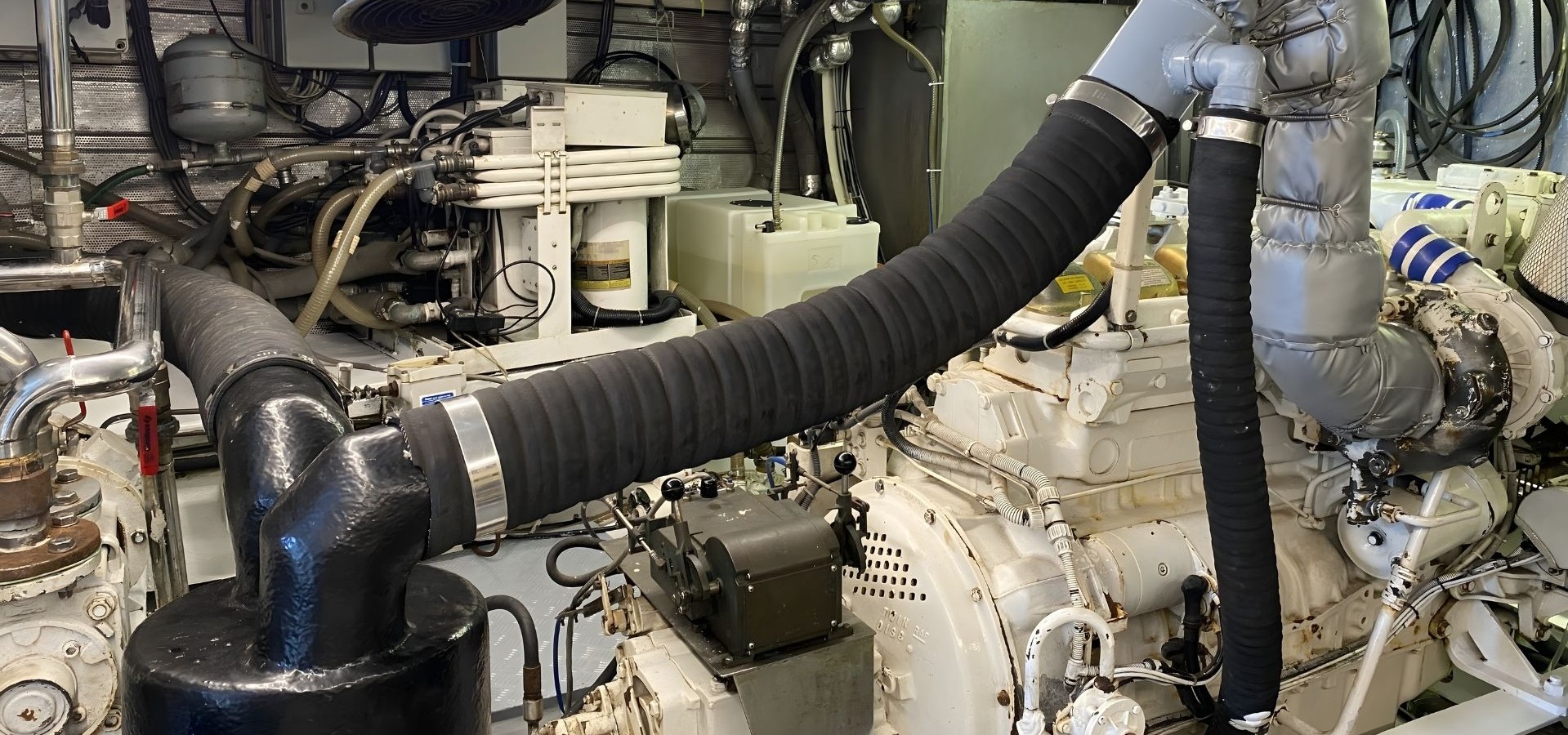
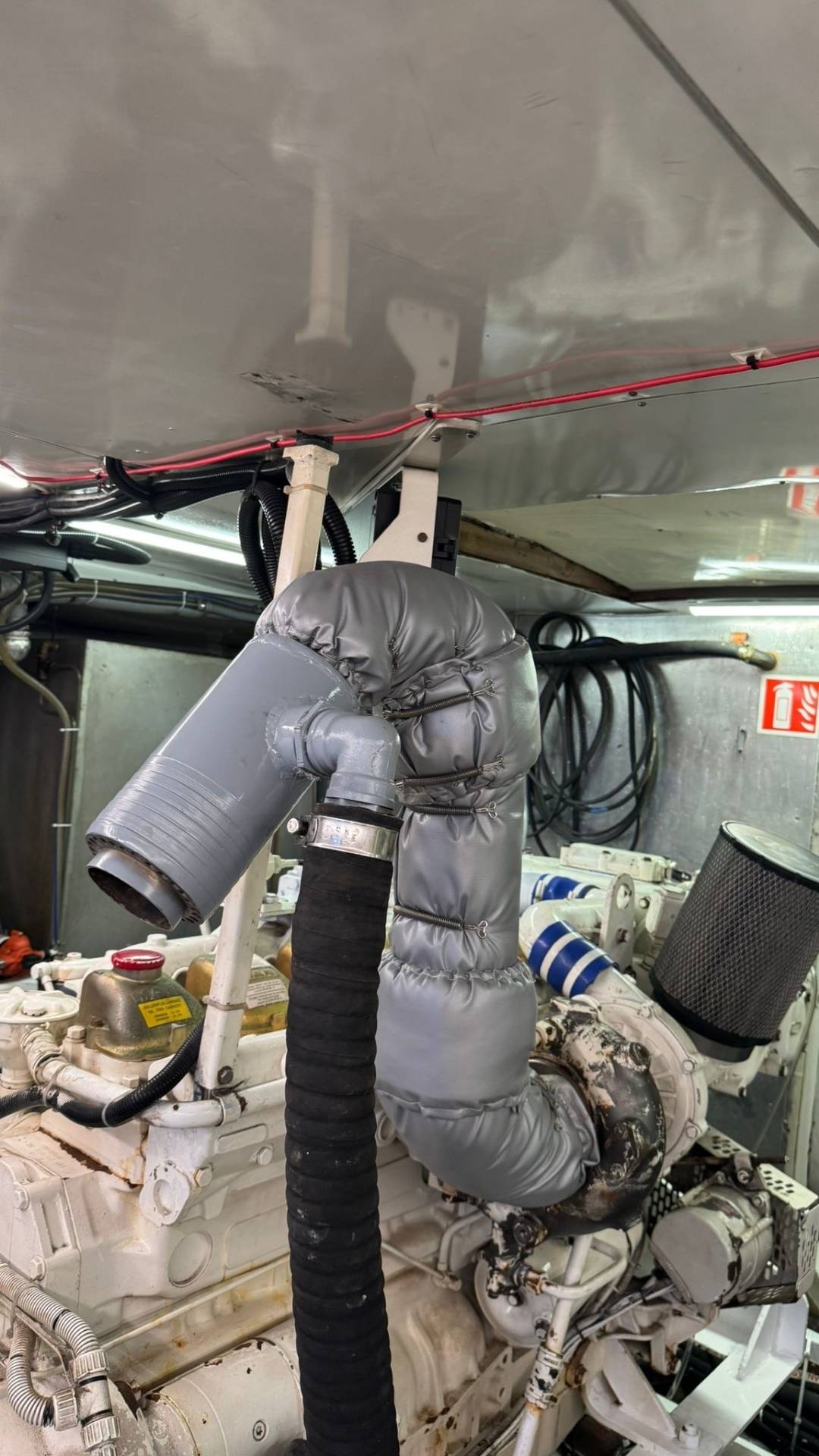
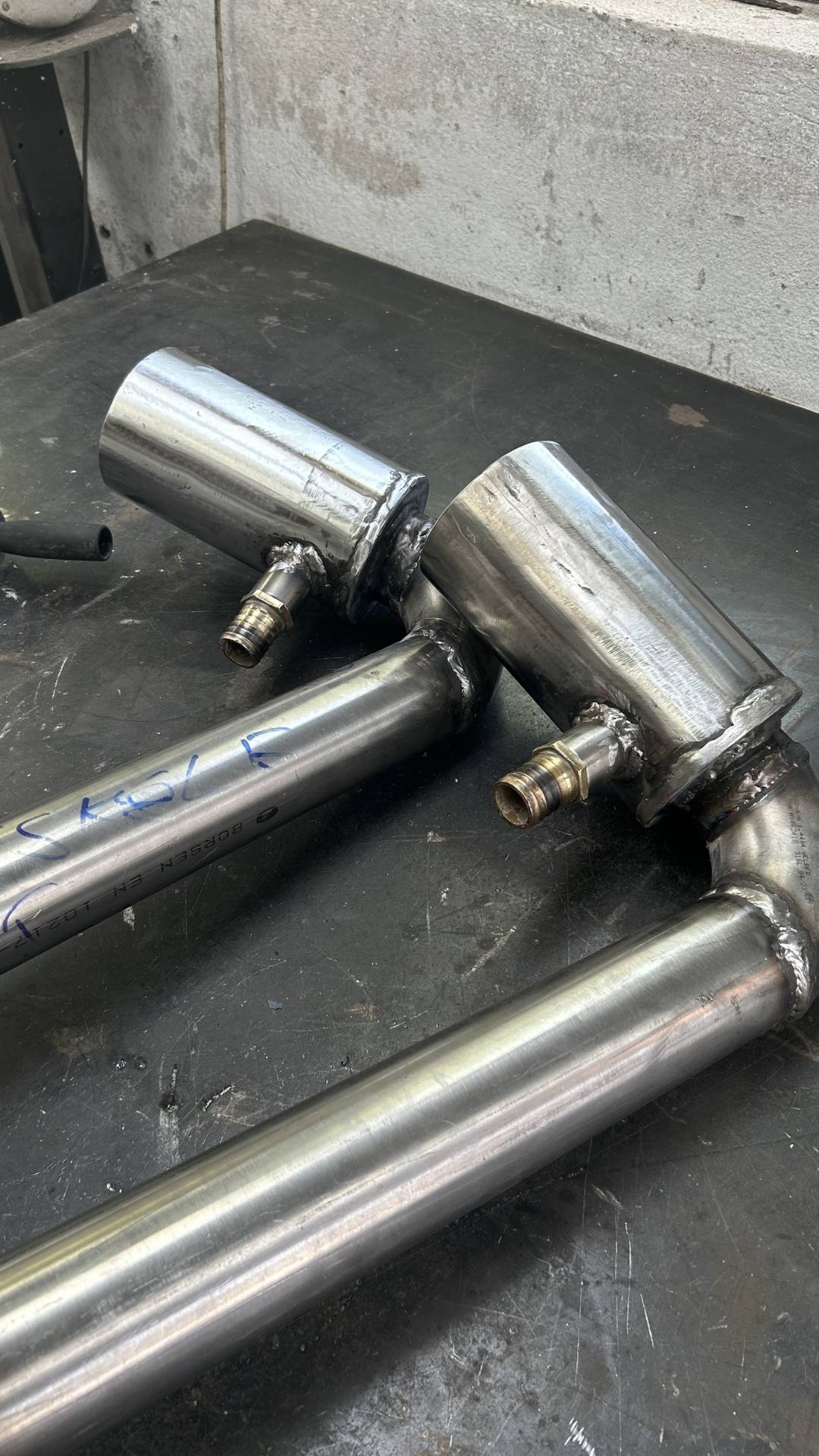
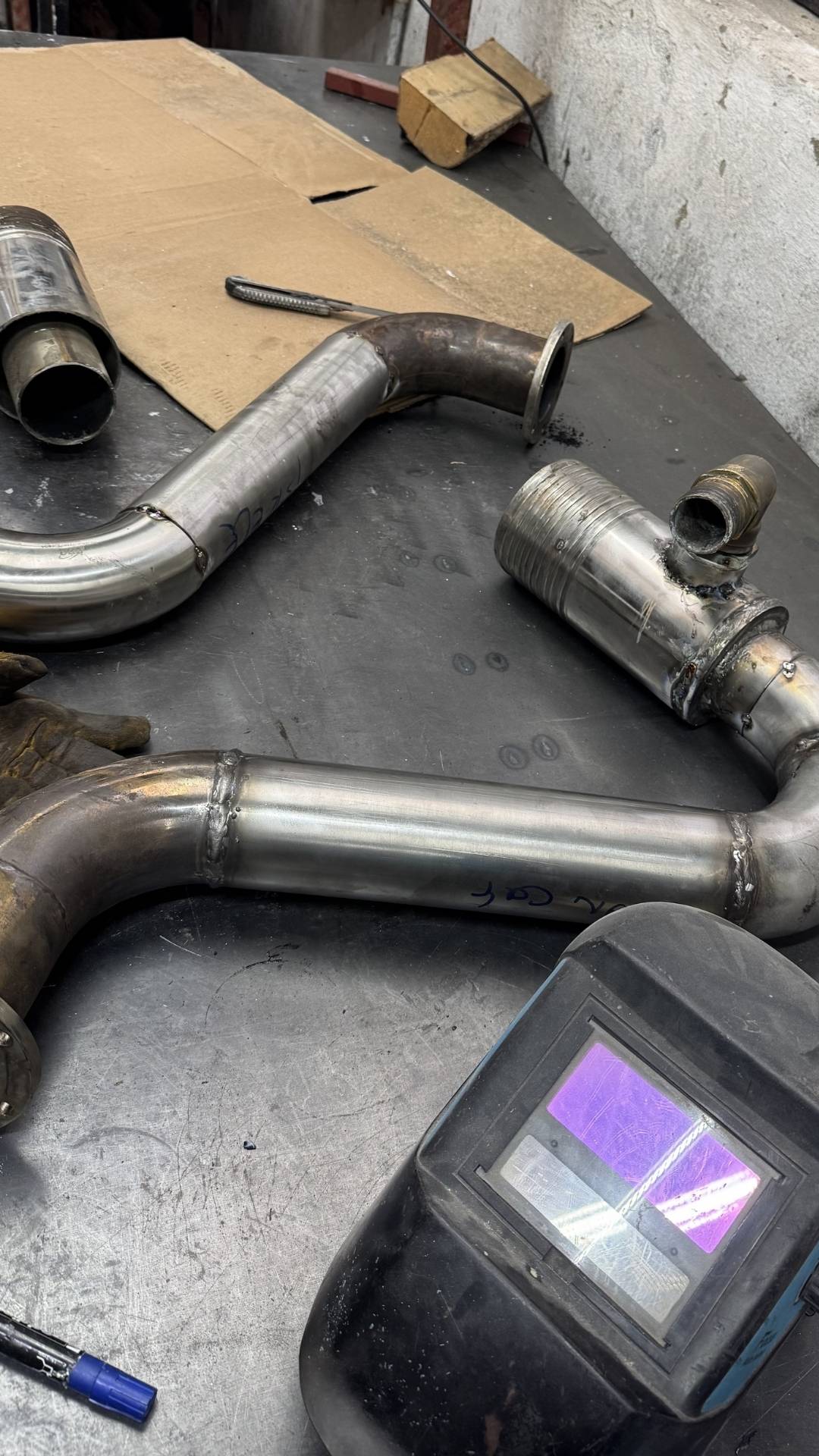
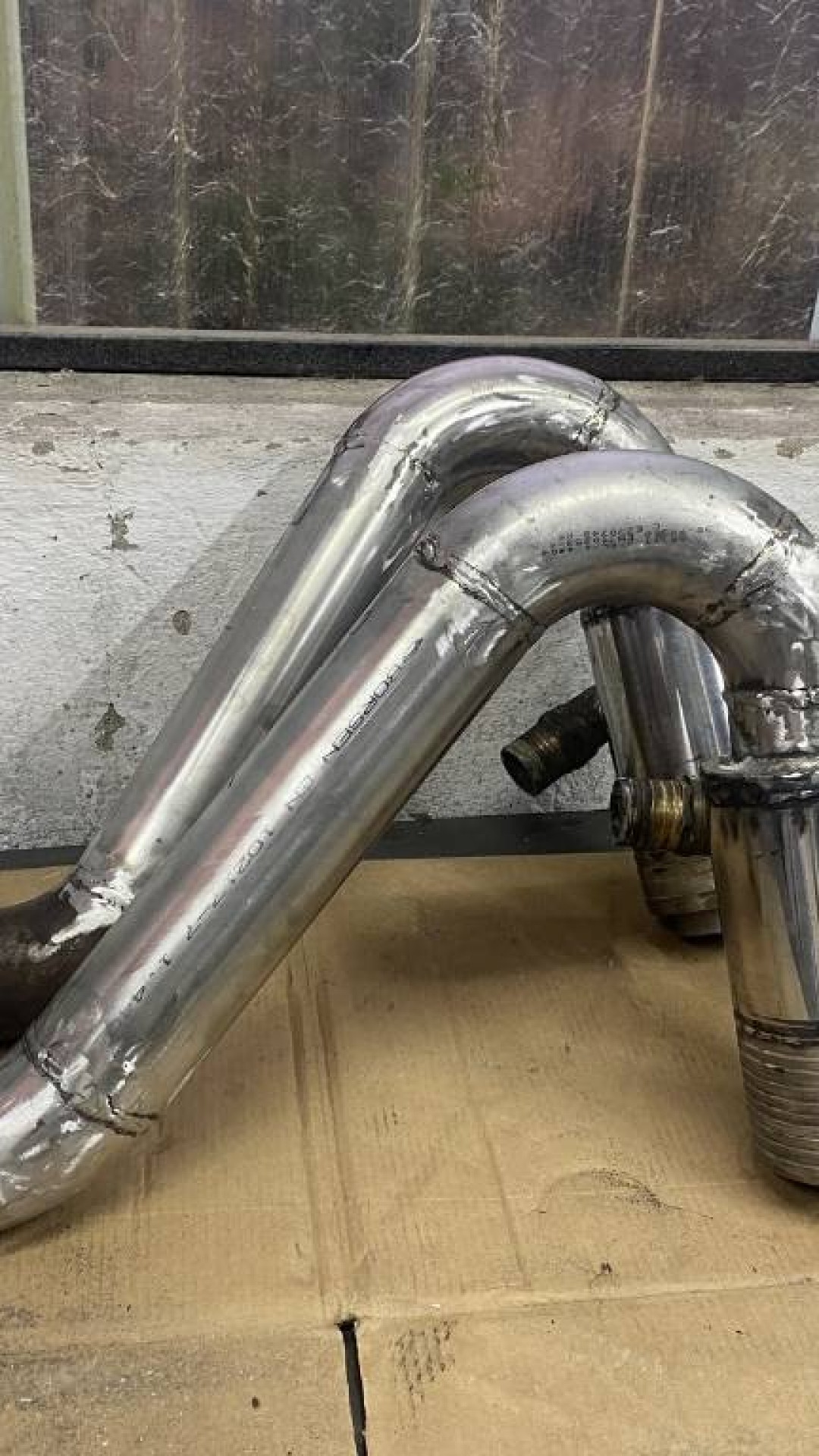
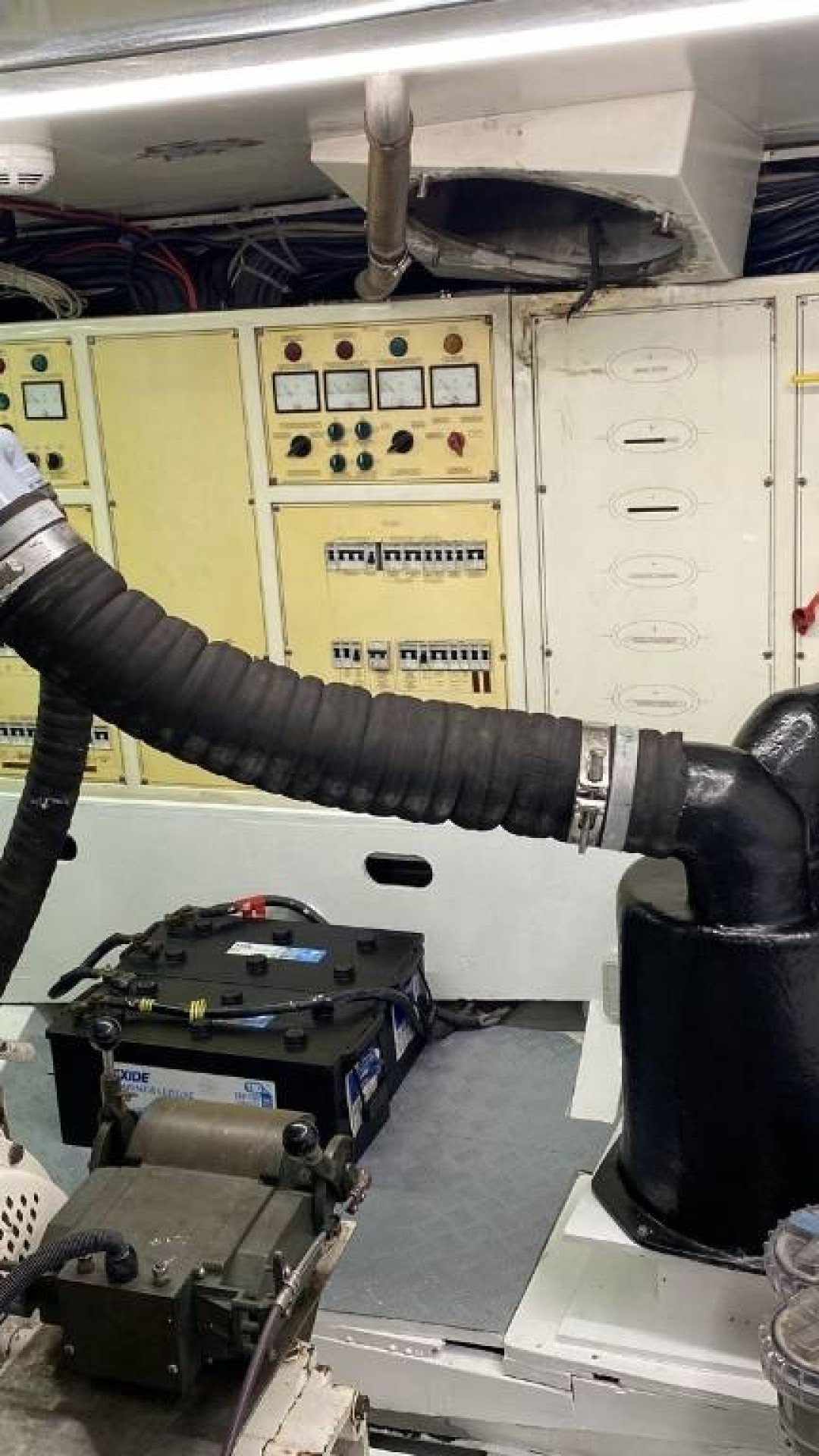
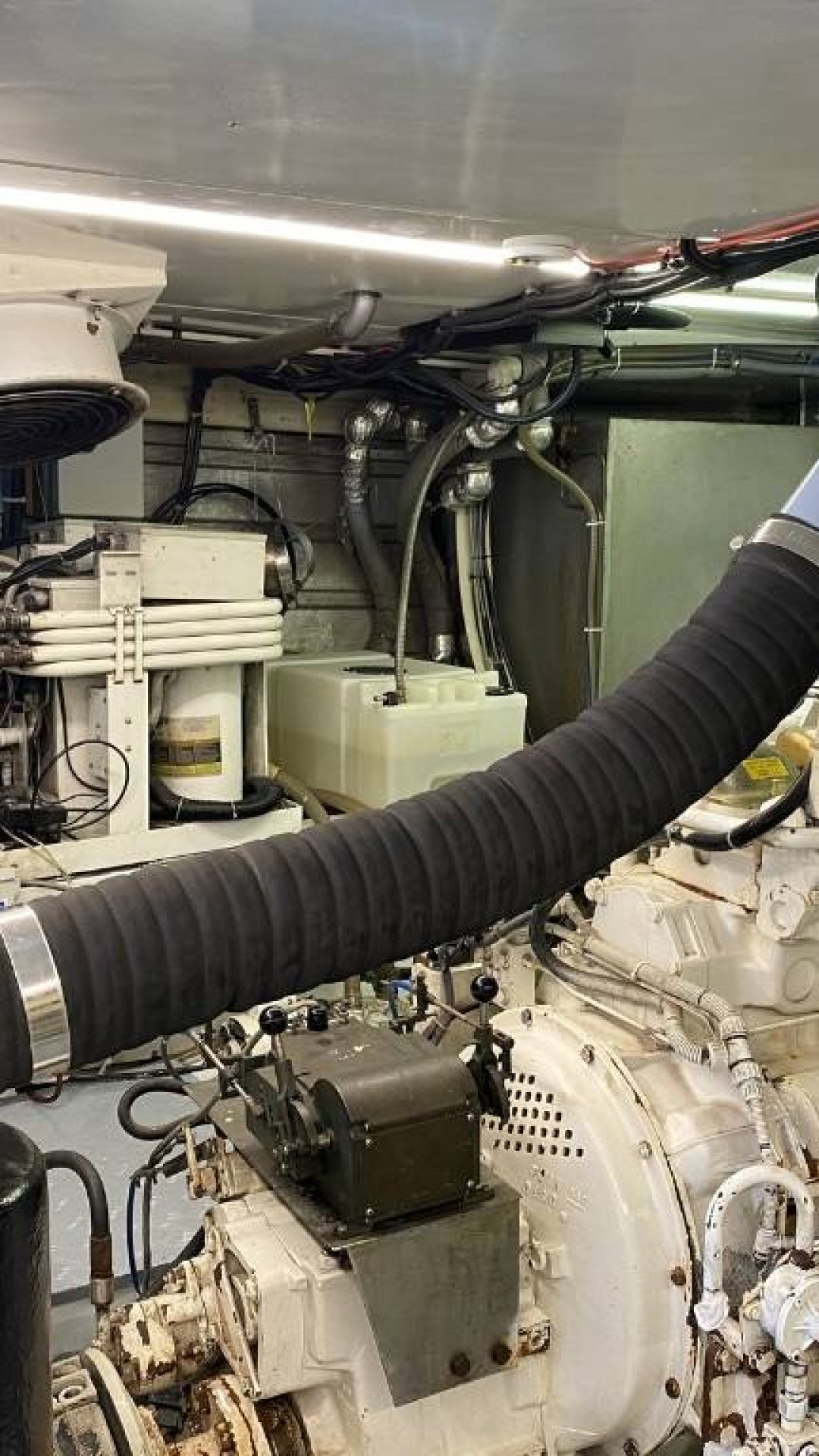
On yachts, boats and ships, an exhaust system is far more than a line that carries fumes out. From engine backpressure limits to engine room heat, from noise levels to safety risks—many critical parameters depend on how the exhaust is designed and built. An exhaust line that is incorrectly sized, made from unsuitable materials, or installed with poor welding and mounting practices can lead to performance loss, overheating, corrosion, leaks and increased fire risk. ECS Marin’s exhaust fabrication service delivers marine-ready solutions with an engineering approach—built for safety, efficiency and long service life.
Why “Correct Fabrication” Matters in Marine Exhaust Systems
Engine Performance and Backpressure
Excessive restriction in the exhaust line reduces engine efficiency. With proper diameter selection, correct routing geometry and appropriate silencing components, the goal is to maintain stable backpressure within the engine manufacturer’s limits.
Heat Management and Engine Room Comfort
Exhaust lines carry high temperatures. Proper routing and insulation readiness help reduce heat build-up in the engine room, extend the life of cables and equipment, and improve service access.
Corrosion Resistance in Marine Conditions
Saltwater and humidity make material choice critical. Marine-grade materials, correct welding practices and high surface quality deliver longer service life and lower maintenance cost.
Safety: Leaks, Fumes and Fire Risk
Exhaust leaks can introduce carbon emissions, soot accumulation and fire hazards in the engine room. Robust fabrication and correct connection solutions are essential to minimize these risks.
ECS Marin Exhaust Fabrication Scope
ECS Marin treats exhaust fabrication not as “pipe fitting”, but as a project-specific marine engineering task. Depending on the vessel configuration, our scope can include:
Custom exhaust line design and fabrication for new-build projects
Exhaust line renewal for refit and overhaul operations
Solutions for both dry exhaust and wet exhaust (water-cooled exhaust) systems
Mixing points, waterlock and gas-water separator integration
Noise optimization with silencers/resonators
Infrastructure suitable for exhaust insulation blankets and heat-shield applications
Installation planning for mounting, vibration management and service accessibility
How Our Fabrication Process Works
1) Site Survey and Requirements Analysis
If an existing system is in place, we evaluate routing geometry, connection points, high-temperature zones and typical issues (soot, leakage, overheating, vibration). For new projects, we analyze engine/generator data, layout drawings and operating conditions.
2) Sizing and Routing Geometry Planning
Correct diameter and routing are the foundation of both performance and safety. We eliminate unnecessary sharp bends, incorrect reductions and unsuitable connections that increase restriction—targeting smooth flow and controlled backpressure.
3) Marine-Grade Material Selection
Based on the system type (dry/wet exhaust), temperature range and environmental conditions, we select materials that deliver corrosion resistance, mechanical strength and long service life.
4) Welding Quality and Sealing Discipline
Exhaust lines are exposed to continuous vibration and thermal expansion—especially around welded joints. Welding quality, flange/connection surfaces and sealing strategy directly determine reliability.
5) Installation, Mounting and Insulation Readiness
The line is mounted to manage vibration, thermal expansion allowances are considered, and critical zones are arranged to support insulation/heat-shield solutions. Service access and maintenance convenience are treated as core design requirements.
6) Verification and Commissioning
After installation, we verify connections, check for leaks where applicable, and review overall system behavior. The objective is to confirm safe operation and stable performance.
Benefits of ECS Marin Exhaust Fabrication
Exhaust routing designed to maintain backpressure within safe engine limits
Lower heat load and improved engine room temperature management
Corrosion-resistant, long-lasting systems with reduced maintenance needs
Reduced risk of leaks and fire hazards for safer operation
Clean, organized, service-friendly system layout for new-build and refit projects
Why ECS Marin
ECS Marin views exhaust fabrication as a complete system design challenge—balancing performance, safety and durability. By combining field experience with engineering discipline, we produce marine exhaust solutions that fit the engine room, last longer, and deliver confidence on every voyage.