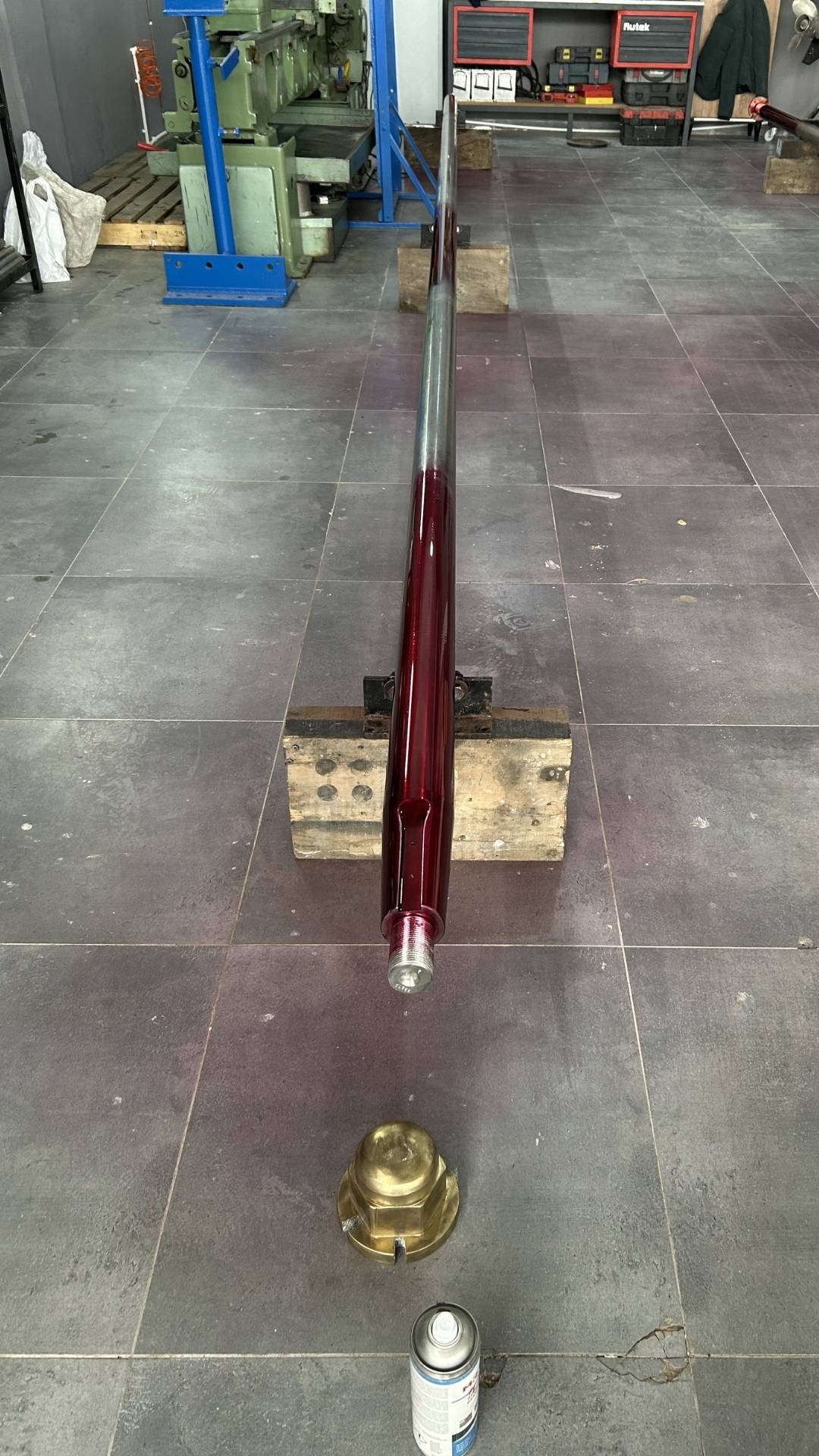
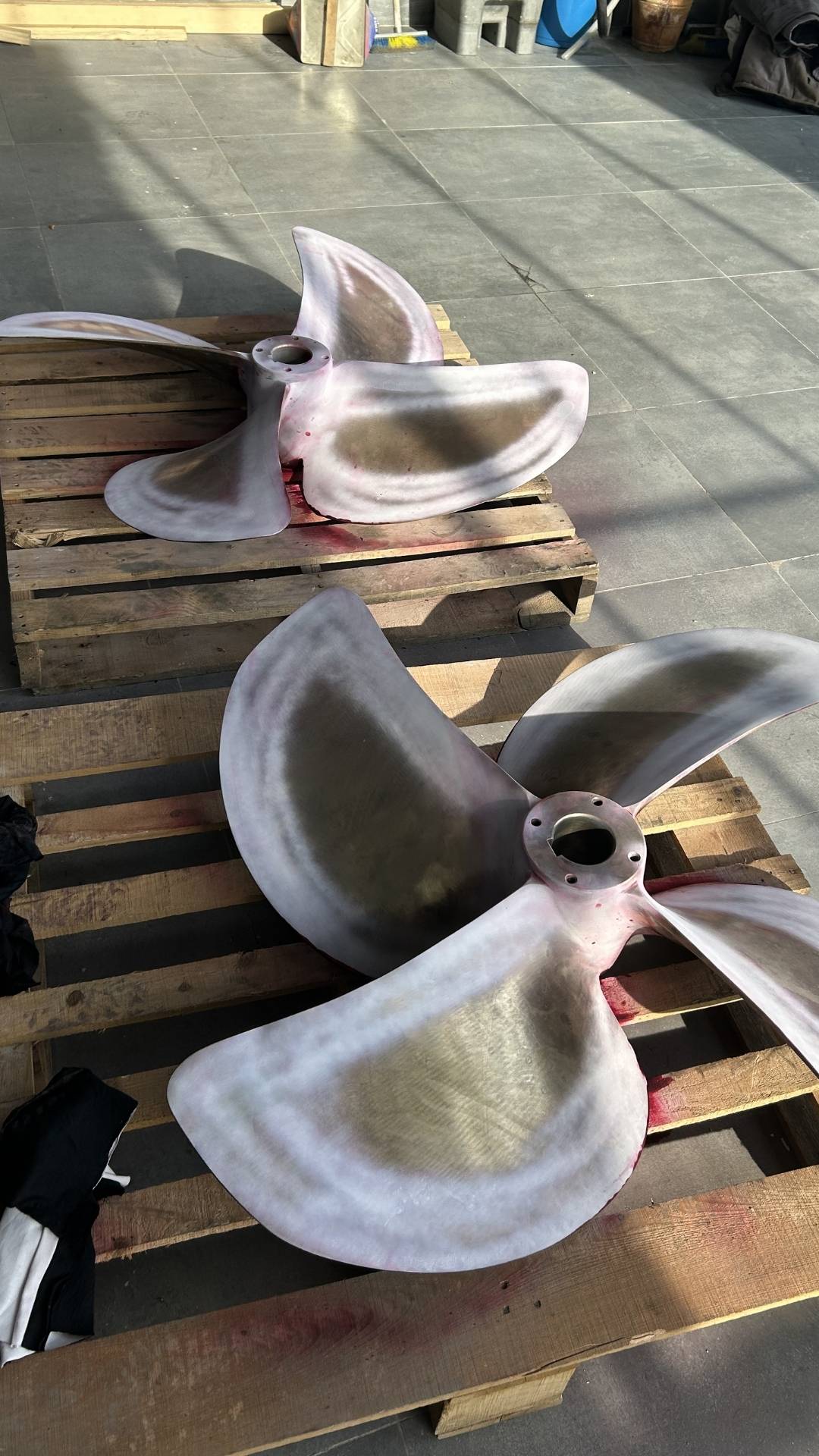
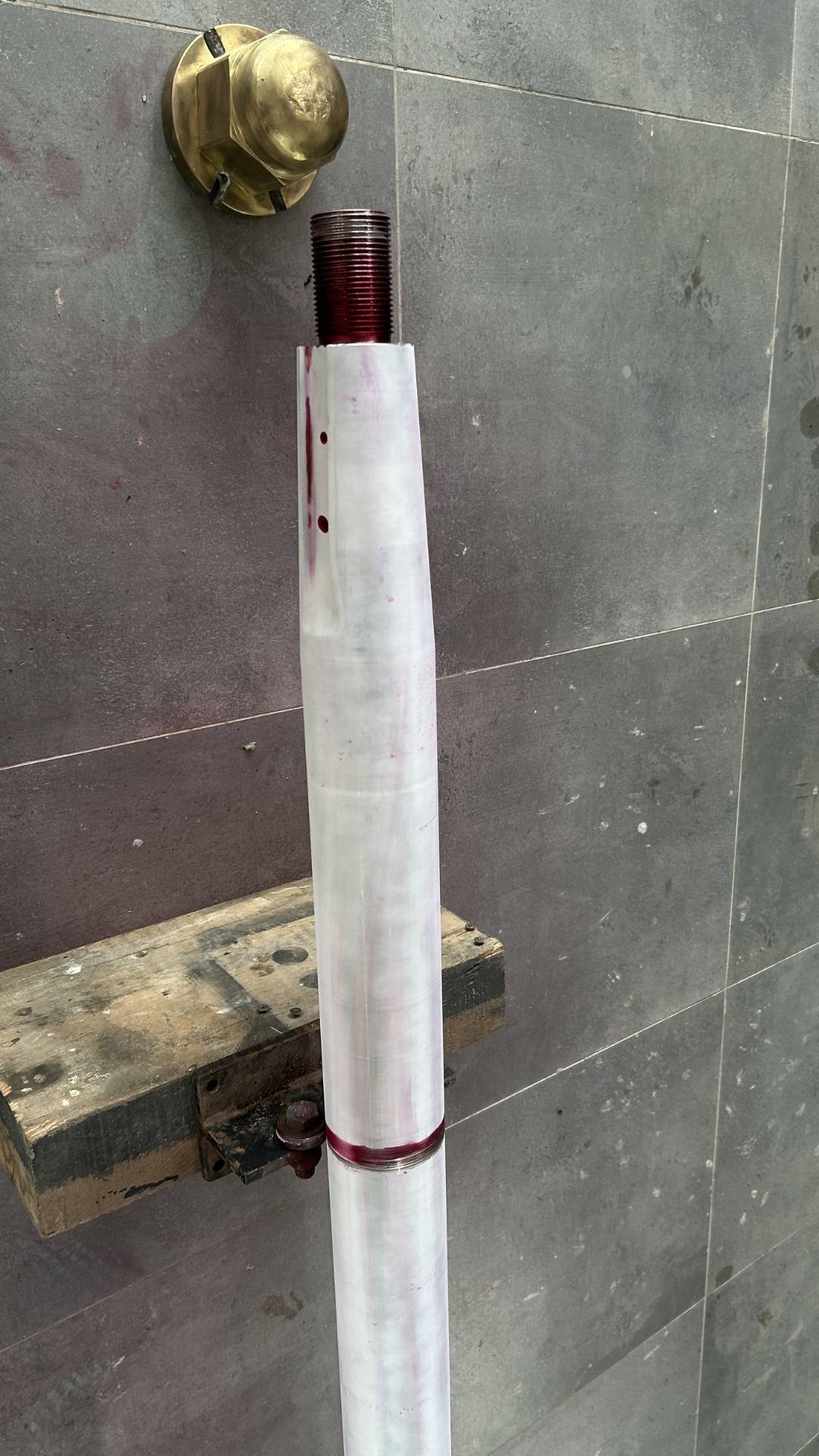
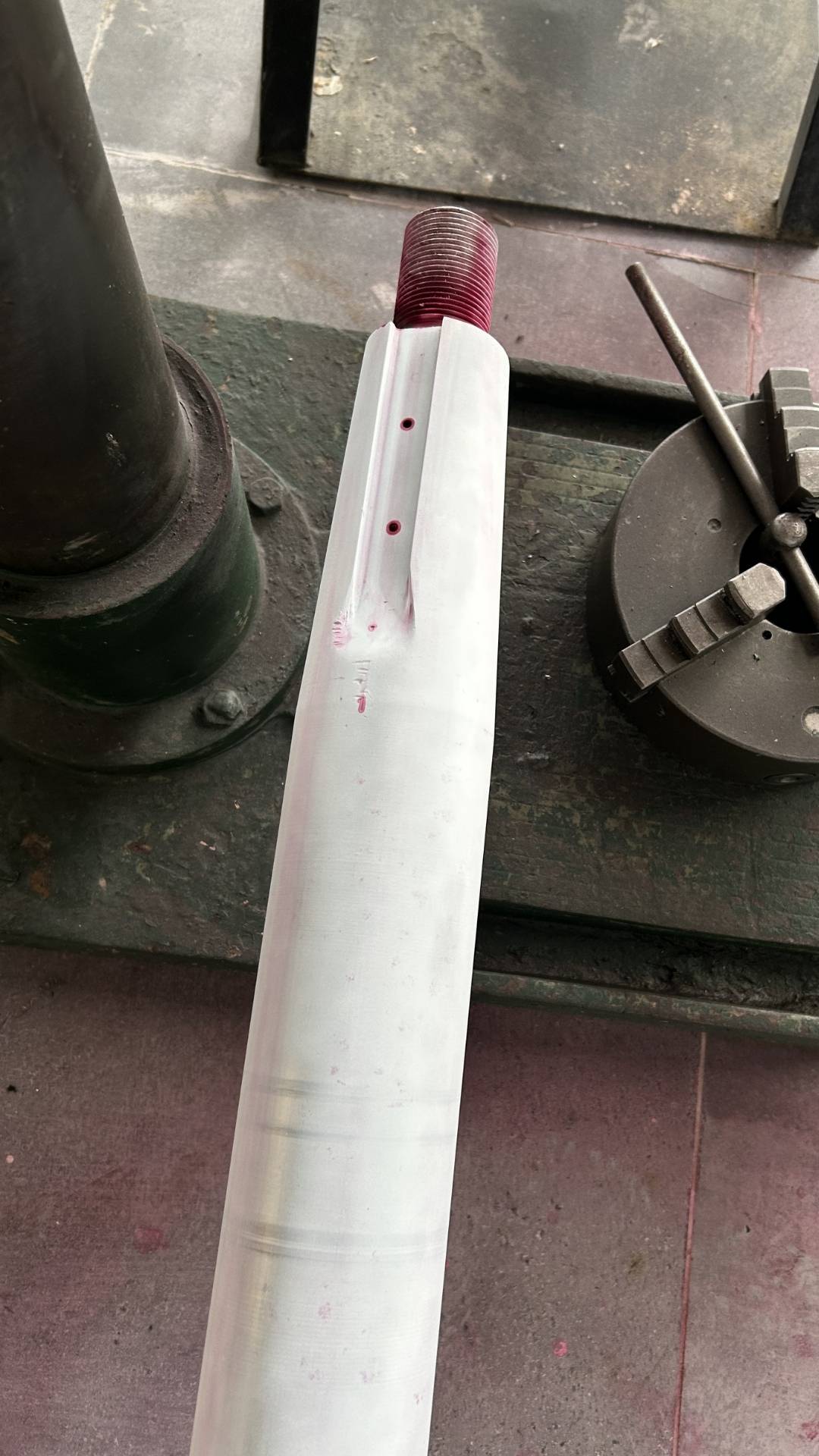
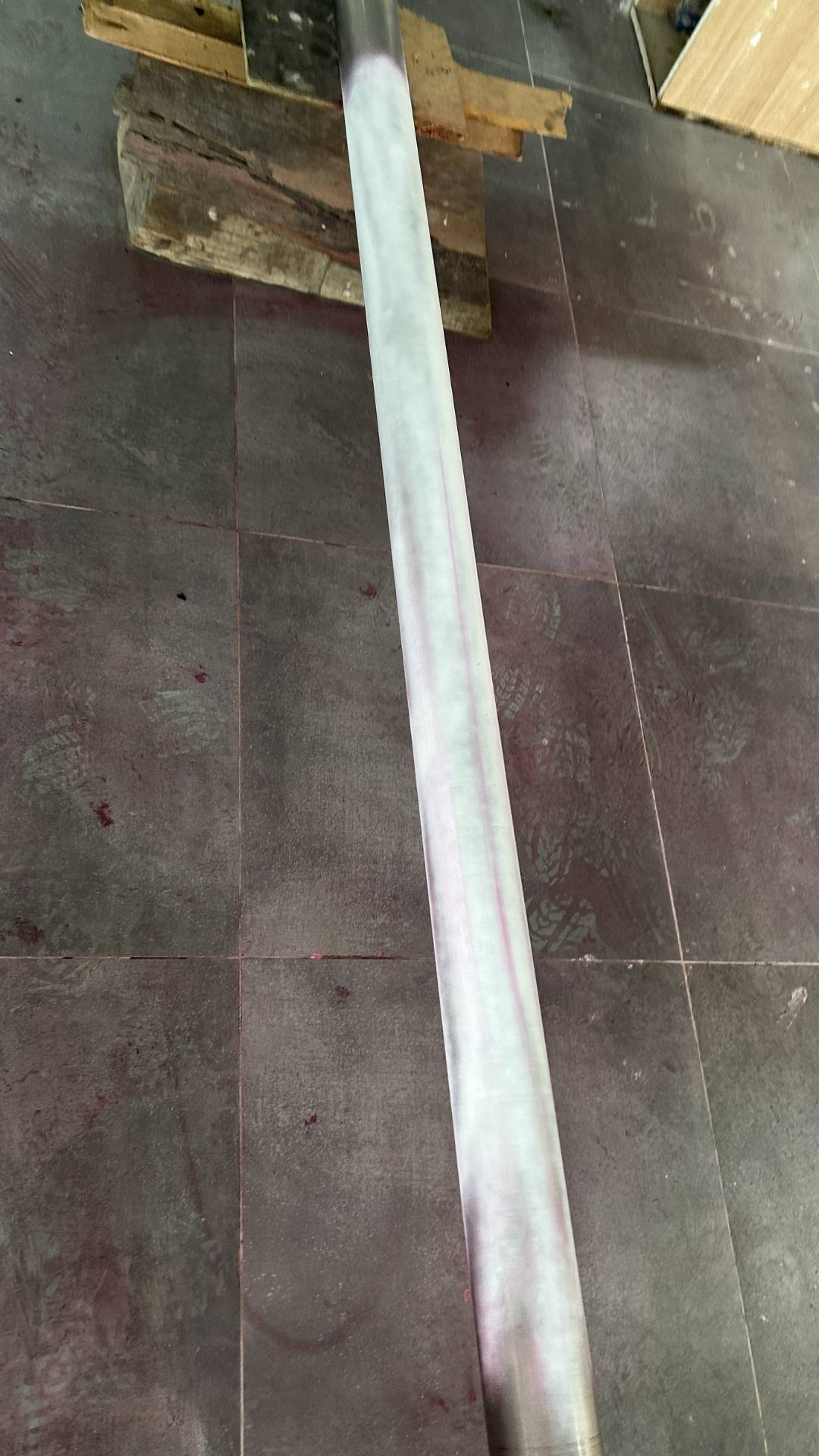
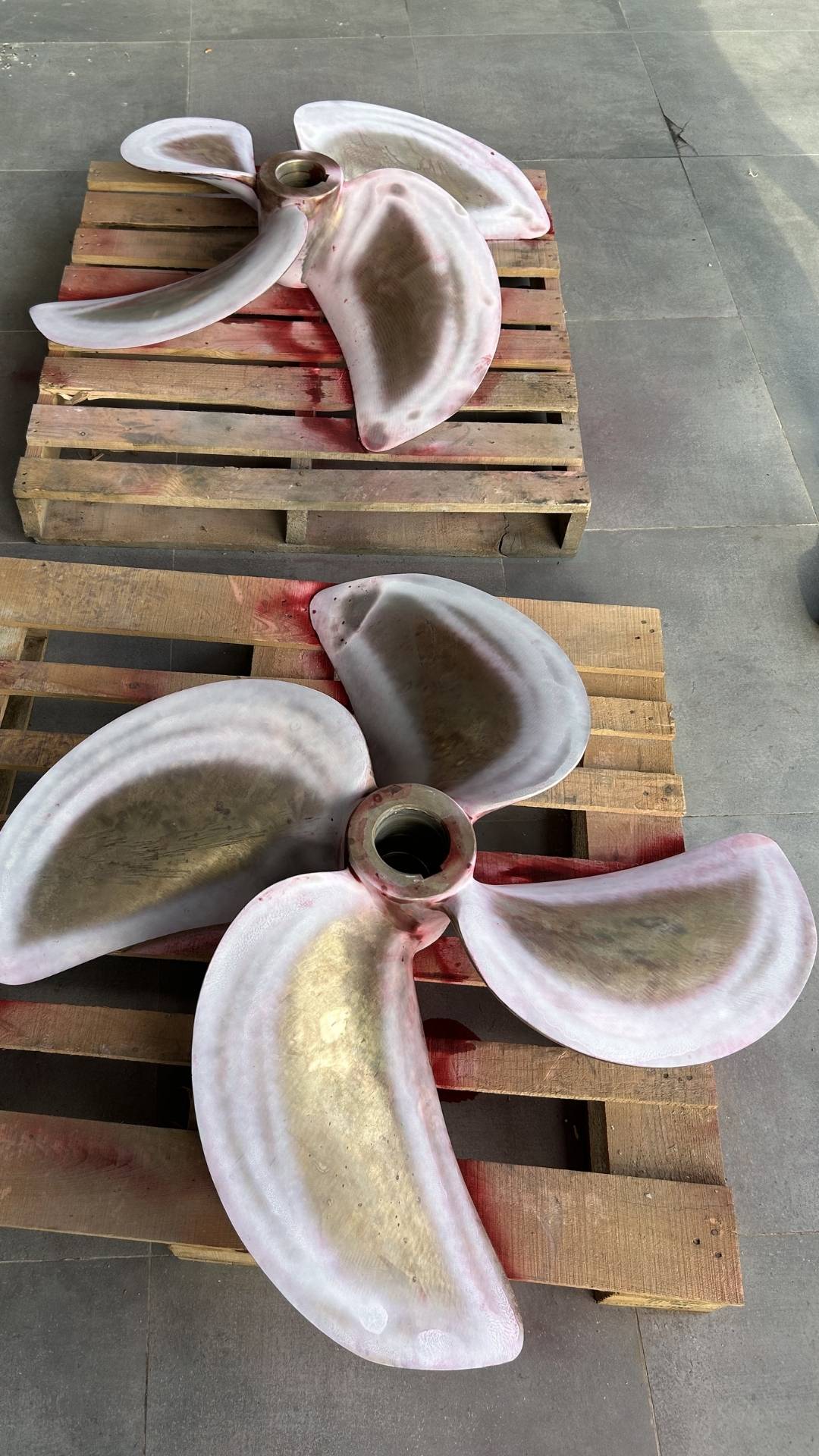
In maritime operations, safety and continuity begin with detecting “invisible” risks in time. Shaft, propeller, and rudder systems can develop microcracks over time due to high loads, vibration, saltwater corrosion, and impacts. These cracks grow without being visible to the naked eye; and once they expand, the failure affects not only the component itself, but also navigation safety and operational planning. ECS Marin’s NDT crack testing service aims to detect failures before they occur by inspecting critical components without causing damage.
Why Is NDT (Non-Destructive Testing) Necessary?
The Most Critical Step of Preventive Maintenance
NDT identifies early-stage cracks through inspection methods performed without dismantling or damaging the part. In this way, planned maintenance can be carried out, while sudden downtime and major costly failures are prevented.
Safety and Class/Project Discipline
In new-build, refit, and major overhaul processes, NDT inspection is a fundamental part of the quality standard. Especially in the shaft-propeller-rudder line, “integrity” must be verified not by assumption, but by measurement.
Extending Component Life
Detecting cracks at an early stage extends component life through local repair, proper heat-treatment/workmanship planning, and controlled commissioning, instead of requiring complete replacement.
Scope of ECS Marin NDT Crack Testing
ECS Marin approaches NDT not as a “single method,” but as an inspection package selected according to the material, geometry, and operating conditions of the component. Common inspection areas include:
Shaft and connection areas (keyway, fitted surfaces, critical diameter sections)
Propeller
SHAFT
RUDDER STOCK
Our NDT Methods
Liquid Penetrant Testing (PT)
This method is used to detect surface-breaking microcracks. It is especially effective on stainless steel, aluminum, and non-magnetic materials, as well as around weld seams, machined surfaces, and sensitive areas.
Note: The method to be applied is determined according to the component material, accessibility conditions, and risk class. When necessary, multiple methods are used together for verification.
How Does the Process Progress?
Risk-Based Planning
The component’s operating loads, failure history, possible impact/grounding risk, and maintenance interval are evaluated. An inspection plan is then created with a focus on the most critical areas.
Preparation and Surface Conditioning
Surface preparation is critical for accurate results. Proper cleaning, evaluation of coating/paint effects, and establishment of suitable inspection conditions reduce the risk of false-negative results.
Application, Evaluation, and Recording
The test is carried out, findings are classified and interpreted. If needed, additional inspection areas are defined. The results are documented, creating reference data for the next maintenance cycle.
Benefits of NDT Crack Testing
Detects microcracks before they grow and reduces failure risk
Supports planned maintenance and proper component management
Improves safety and continuity in the shaft-propeller line
Strengthens quality standards in major overhaul and new-build processes
Optimizes costs by reducing unnecessary component replacement
Why ECS Marin?
ECS Marin does not carry out NDT crack testing with a simple “mark and move on” approach, but through engineering-based evaluation. The goal is not only to find the crack, but also to understand its cause, accurately assess its risk level, and clarify the next step—whether repair, renewal, or monitoring. In this way, ECS Marin aims to achieve safer operation, more predictable maintenance, and longer component life for yachts and boats.