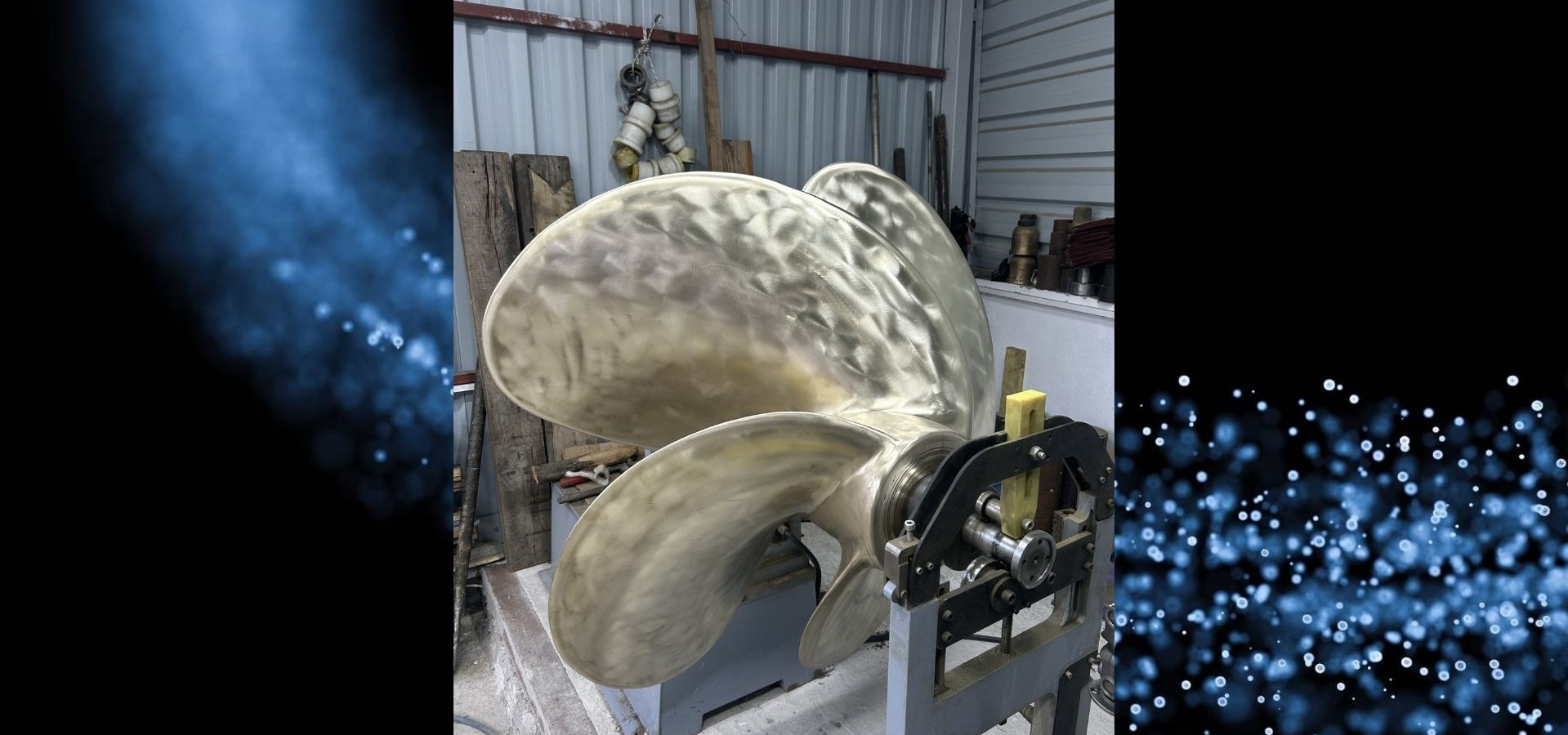
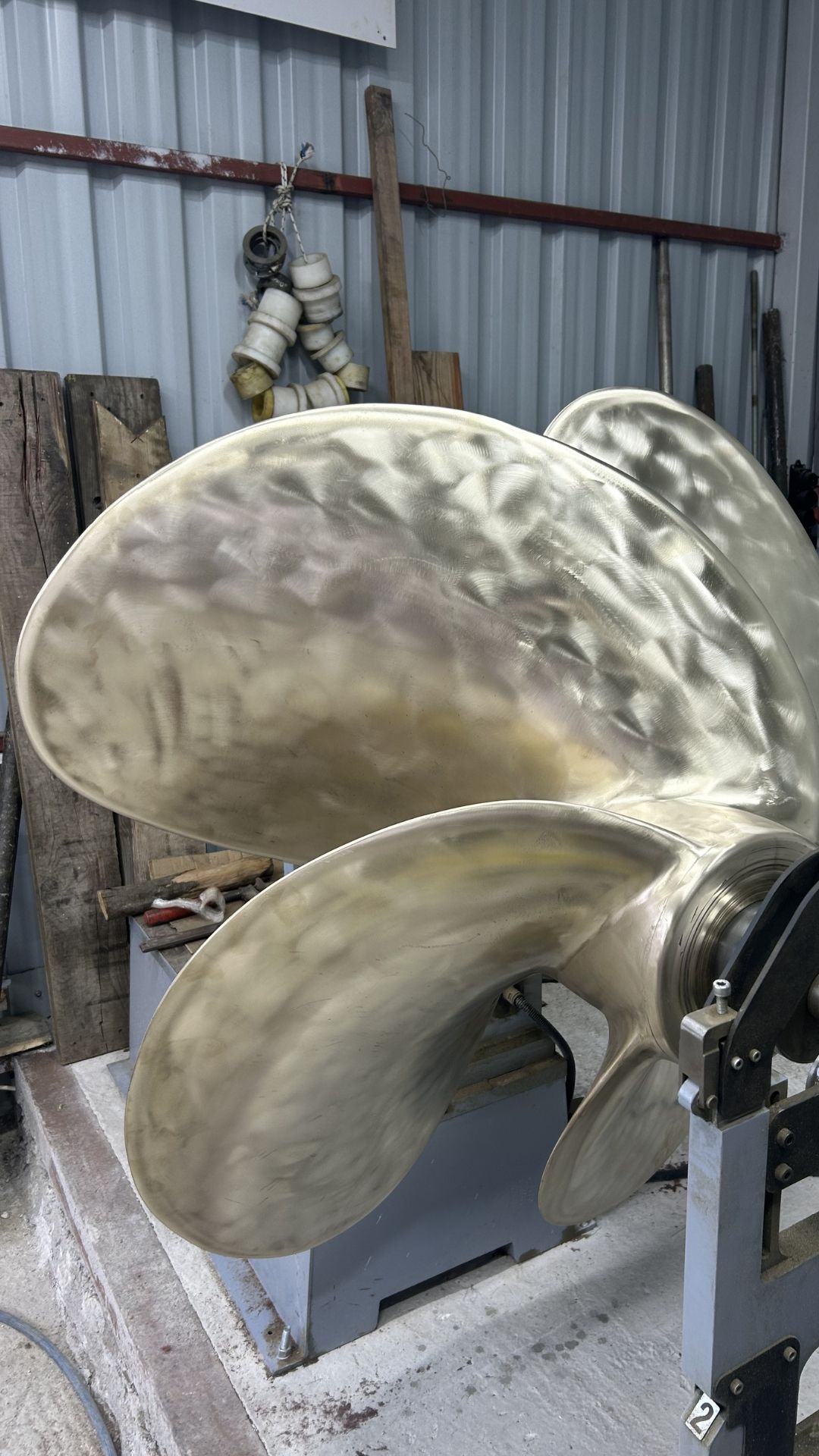
On yachts, boats and ships, the propeller is one of the most critical components for converting engine power into thrust. Even millimetric imbalance can be felt as vibration, noise and performance fluctuation at specific RPM ranges. This not only reduces onboard comfort, but also places additional loads on the shaft line, bearings, seals, couplings and fastening elements—accelerating wear over time. ECS Marin’s propeller dynamic balancing service aligns the propeller to operating conditions to deliver smoother cruising, more efficient power transfer and longer equipment life.
Why Dynamic Balancing Matters
Reduces Vibration and Noise
An imbalanced propeller can transmit vibration into the hull—especially at certain speeds. Dynamic balancing minimizes vibration sources, resulting in quieter, more comfortable operation.
Protects the Shaft Line and Bearings
Vibration creates continuous impact loads on shaft bearings and connections. Correct balancing helps reduce mechanical stress and can extend the service life of bearings, seals and couplings.
Supports Fuel Efficiency and Performance
Imbalance can lower thrust efficiency and force the engine to work harder. Proper balancing supports more stable speed, improved acceleration and more controlled fuel consumption.
Helps Reduce Cavitation and Surface Damage Risk
Irregular flow and vibration around the blades can increase cavitation effects. Managing balance together with blade condition helps reduce premature wear on the propeller.
ECS Marin Propeller Dynamic Balancing Service Scope
ECS Marin treats dynamic balancing not as a standalone action, but as part of a holistic propeller performance optimization. Depending on the need, the scope may include:
Pre-check: blade surface condition, impact marks and deformation assessment
Blade symmetry and geometry checks (with suitable methods)
Dynamic balance measurement and correction planning
Balance correction and intermediate verification checks
Final inspection and reporting (in an appropriate format)
How the Process Works
1) Inspection and Preparation
We assess the overall condition of the propeller and look for factors that can cause imbalance—impact damage, bending, blade-root issues or corrosion. Where needed, corrective preparation is planned before balancing.
2) Measurement and Analysis
Dynamic balancing measures the rotating system behavior under relevant conditions. The goal is to quantify the imbalance level accurately and understand its operational impact.
3) Balance Correction and Verification
Using an appropriate correction method, we improve balance and verify results through intermediate checks—working toward the target tolerance.
4) Pre-Delivery Final Control
At completion, we review the propeller, mounting interfaces and overall condition once more—supporting safer installation and commissioning.
Benefits of Propeller Dynamic Balancing
Lower vibration and quieter cruising
Longer service life for the shaft line, bearings and seals
More stable performance and more efficient power transfer
Potential improvement in fuel consumption
Safer operating behavior for the propeller and propulsion line
Why ECS Marin?
ECS Marin delivers propeller dynamic balancing as a results-driven engineering service, built on measurement discipline. The goal is not only to reduce vibration, but to protect the propulsion line and provide more efficient, more comfortable and safer operation for yachts, boats and ships.