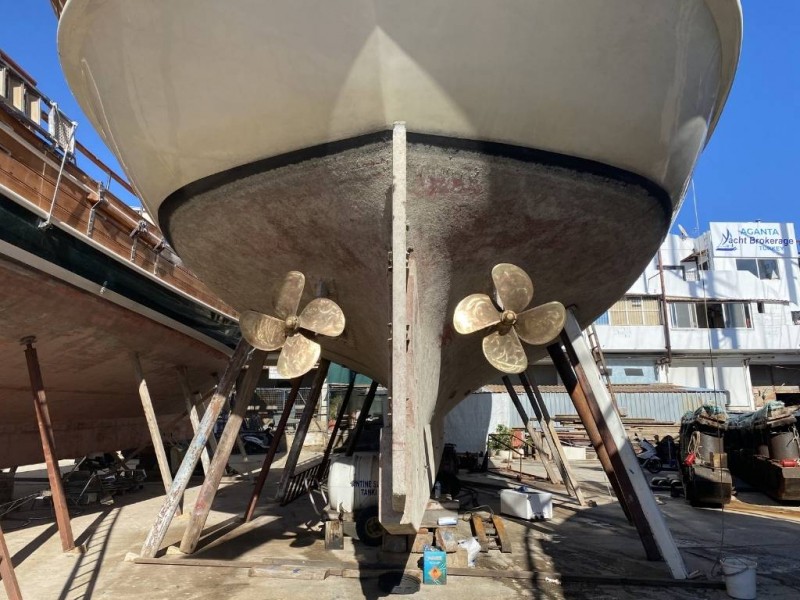
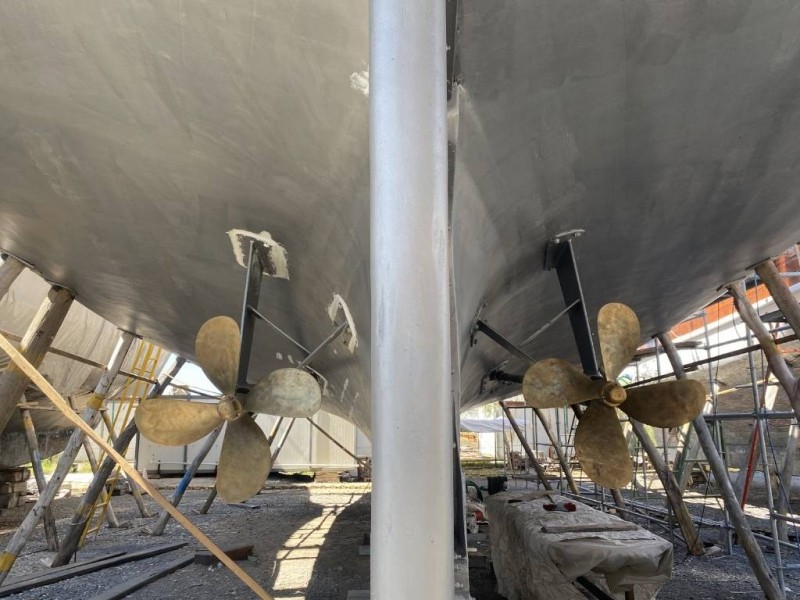
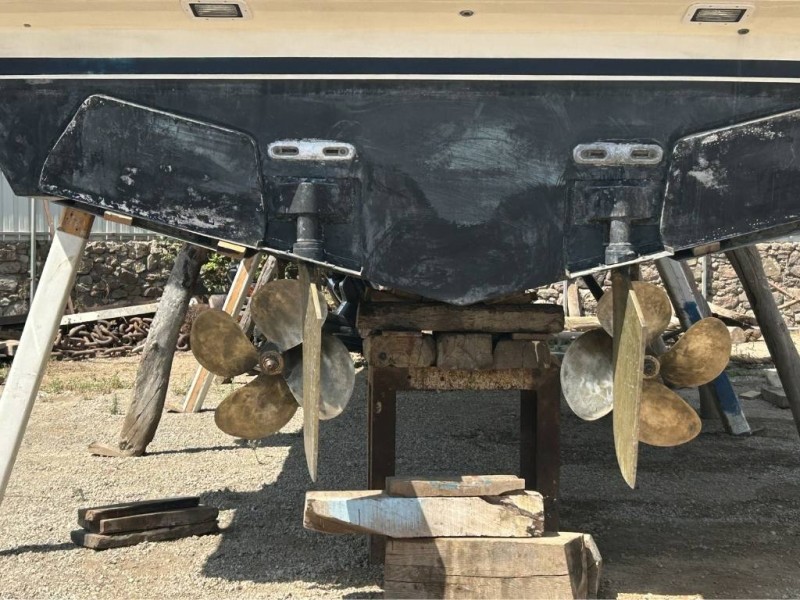
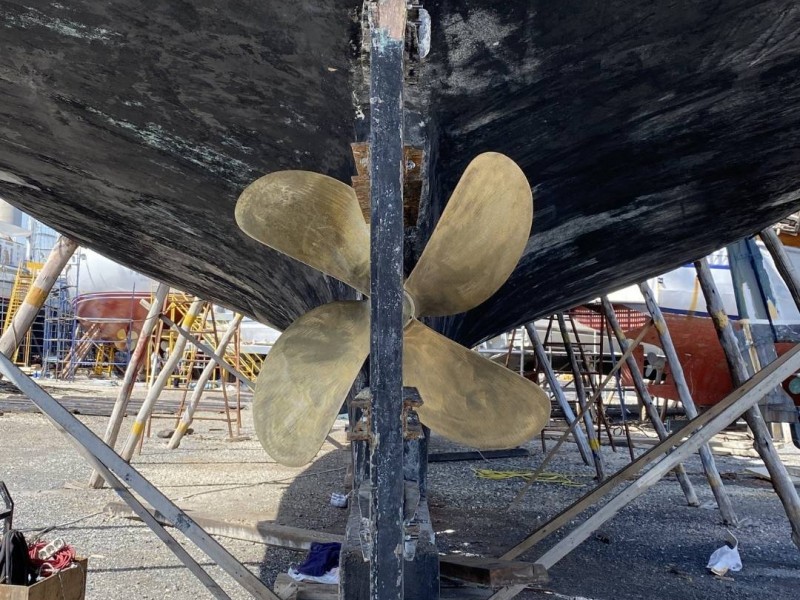
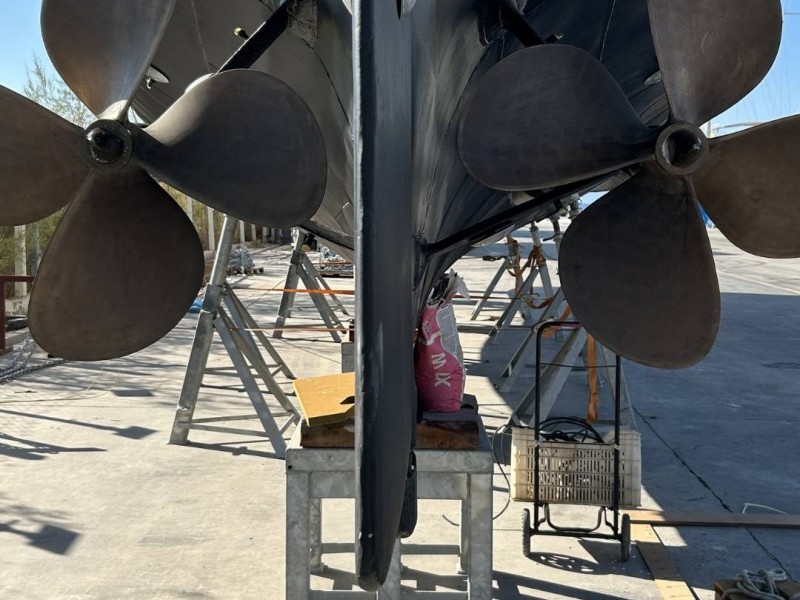
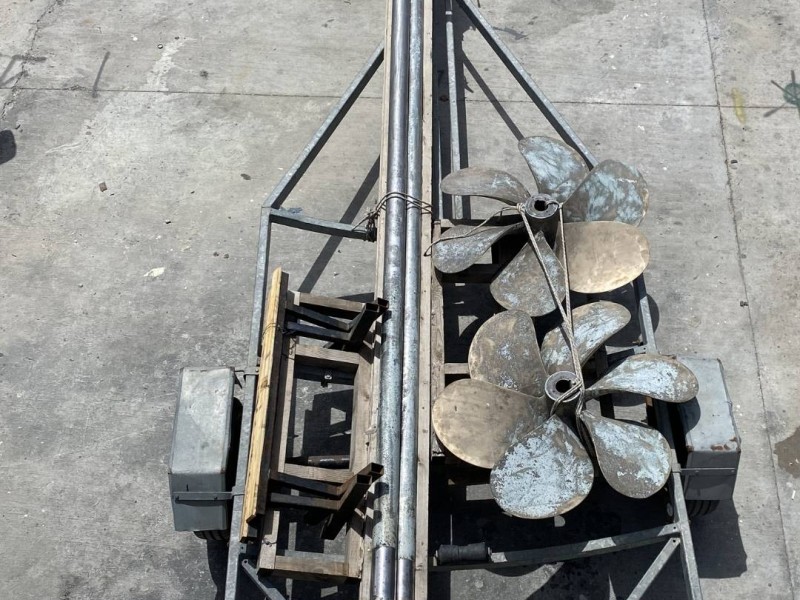
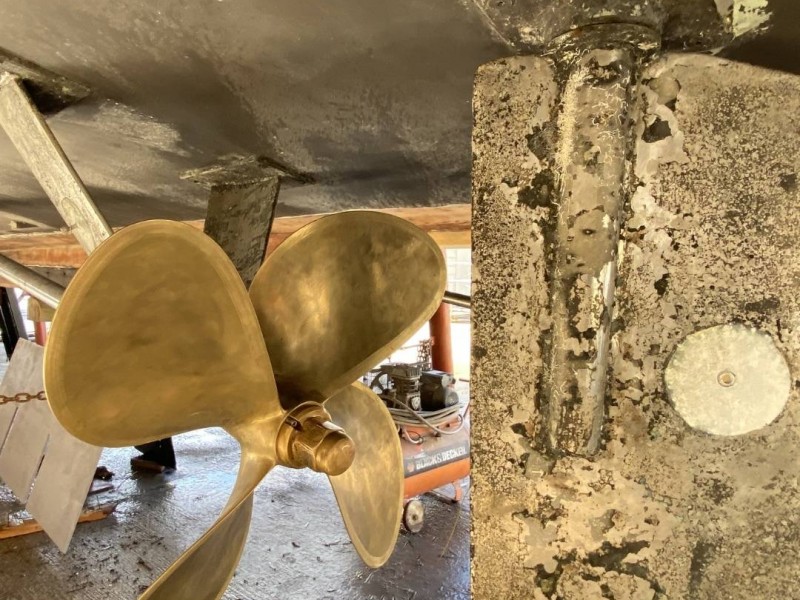
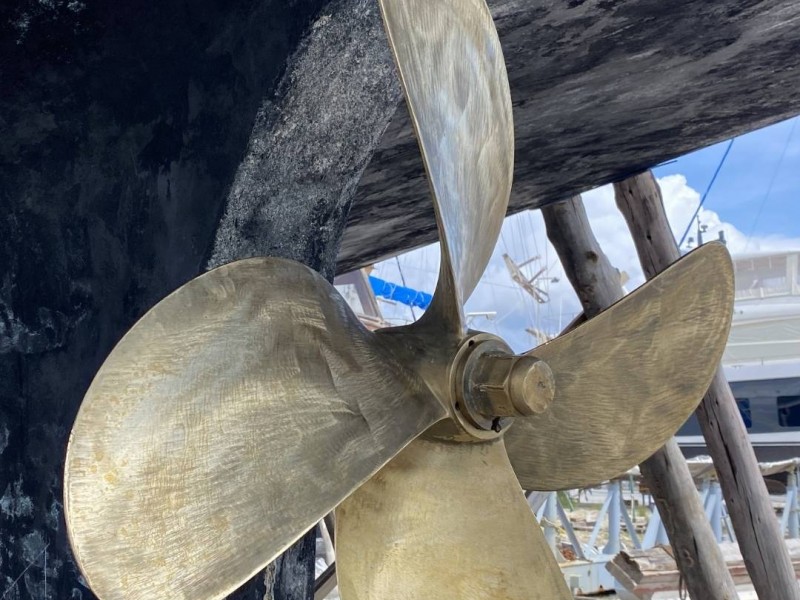
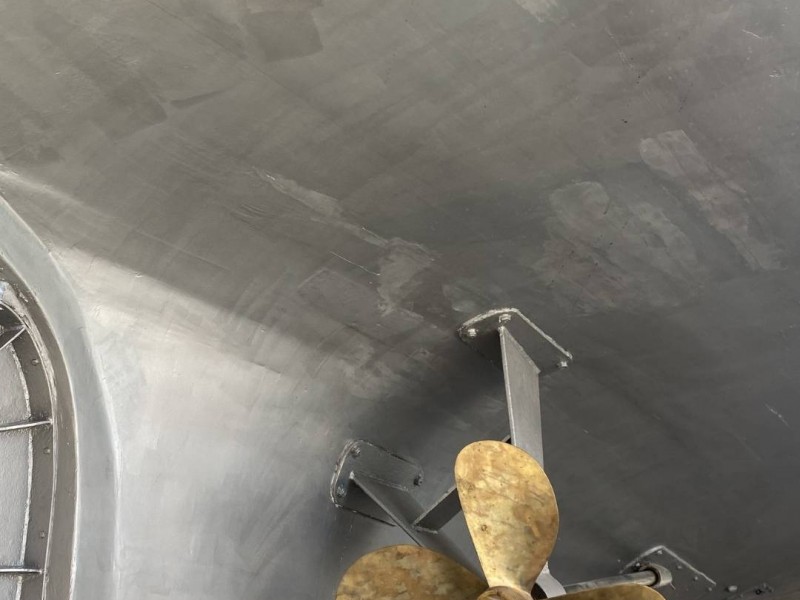
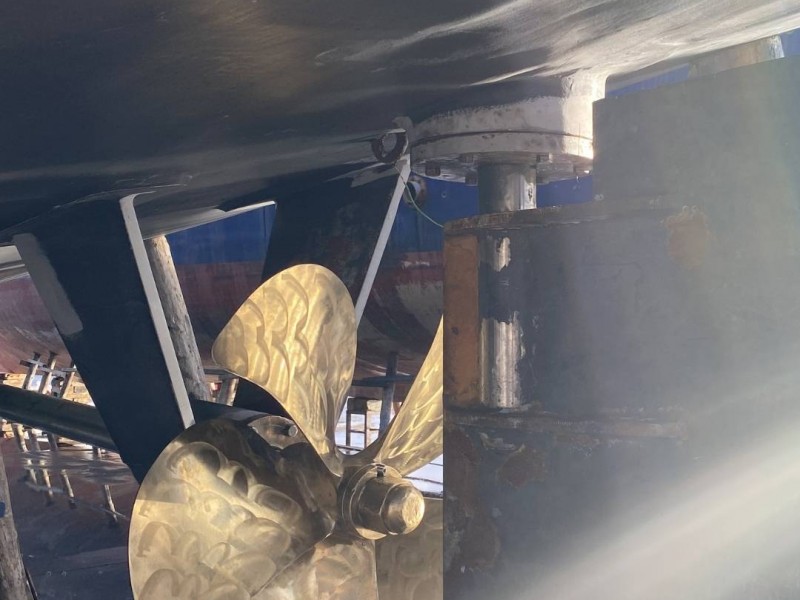
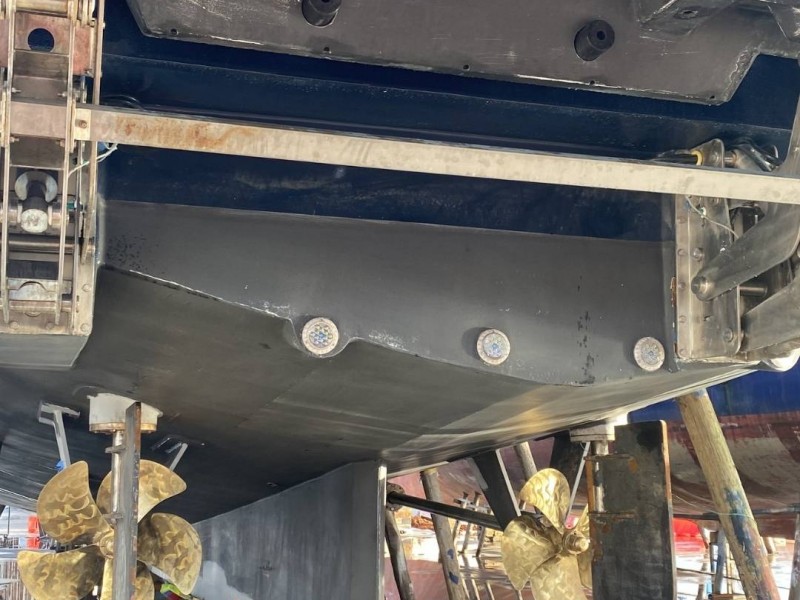
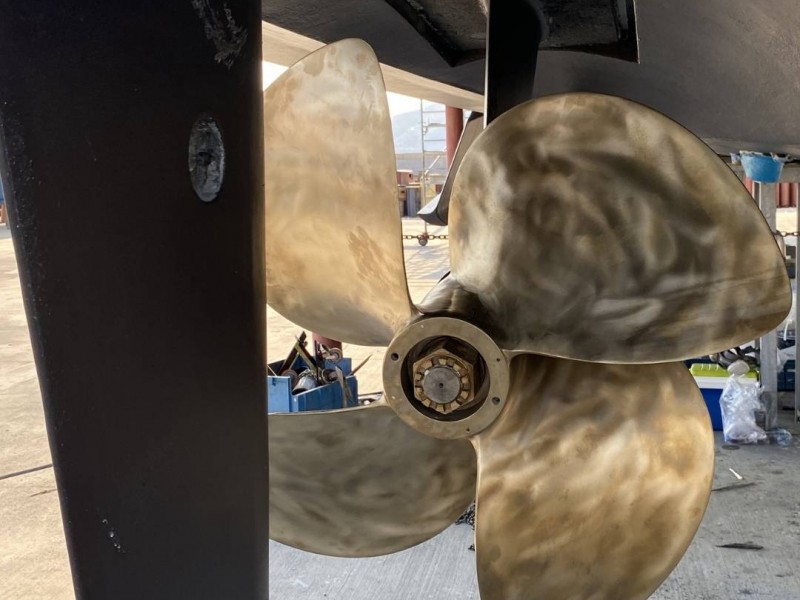
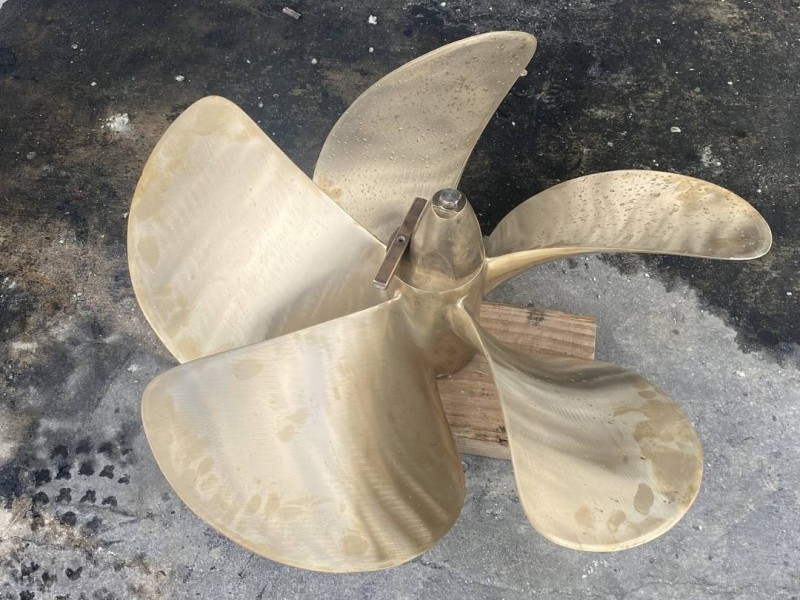
For yachts and boats, safe navigation, comfort, and fuel efficiency depend largely on the health of the propulsion line. The shaft and propeller not only transfer engine power efficiently into the water, but also operate under high RPM, load, and cavitation effects. Over time, even minor tolerance deviations can lead to vibration, noise, bearing wear, sealing problems, and performance loss. ECS Marin approaches shaft & propeller overhauls with an engineering-based measurement discipline; through its “right diagnosis, right intervention, right result” approach, it aims to bring the propulsion line as close to zero tolerance as possible.
Why Is Shaft & Propeller Overhaul Necessary?
Increase in Vibration and Noise
Deviations in propeller blade geometry, shaft runout, or balancing issues can generate noticeable vibration, especially within certain RPM ranges. This vibration not only reduces onboard comfort, but also accelerates wear on bearings, bushings, seals, and fastening components over the long term.
Fuel Consumption and Performance Loss
Surface damage on the propeller, pitch deviations, and deterioration in blade profile reduce thrust and force the engine to work harder to maintain the same speed. The result is higher fuel consumption, lower speed and acceleration, and unstable cruising characteristics.
Sealing and Bearing Problems
When shaft alignment deteriorates or line alignment weakens, the stern tube, bearings, and sealing systems may become overloaded. This increases the risk of oil or water leakage, overheating, and premature wear.
Our ECS Marin Shaft & Propeller Overhaul Process
Preliminary Inspection and Fault Analysis
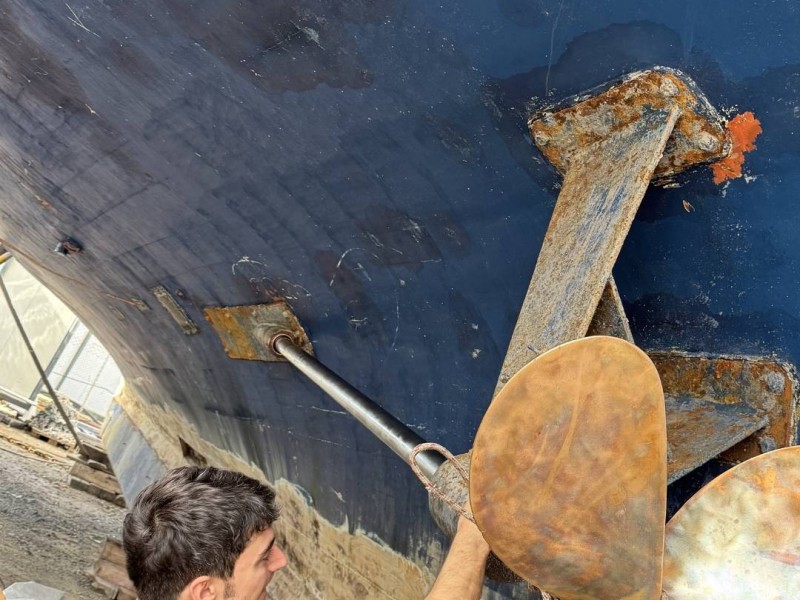
The first step is to interpret the complaint not merely as a “symptom,” but as “data.” Information is collected regarding the RPM range at which vibration increases, its behavior relative to cruising speed, changes during maneuvering, recent maintenance history, and possible impact or grounding incidents. Then, the overall condition of the propulsion line is assessed visually and through measurement.
Precision Measurement and Tolerance Checks
The quality of an overhaul begins with the accuracy of the measurements. ECS Marin starts by checking shaft line geometry and critical tolerances:
Shaft runout measurements
Contact and seating checks of conical/taper surfaces
Condition assessment of the keyway and connection surfaces
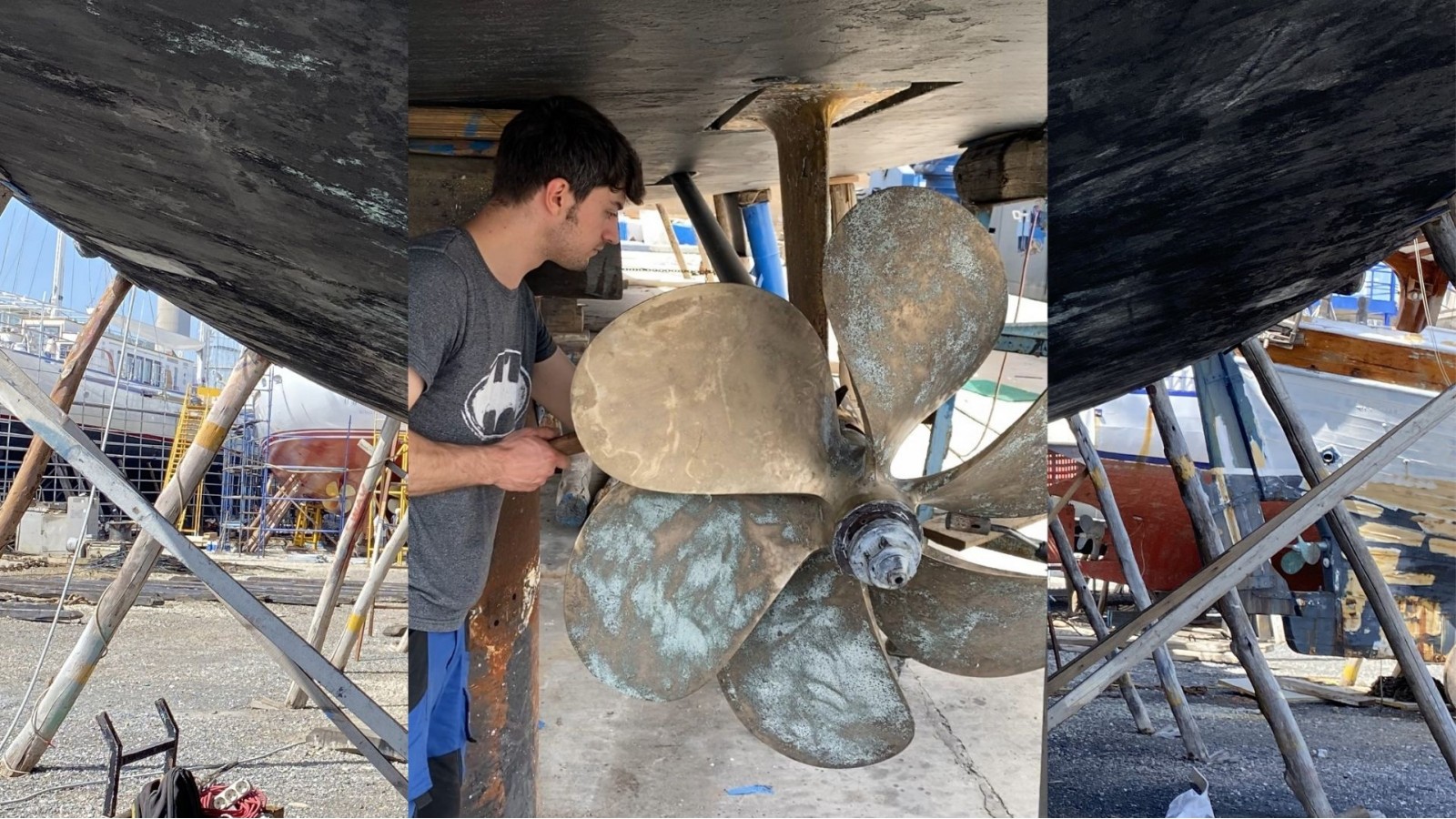
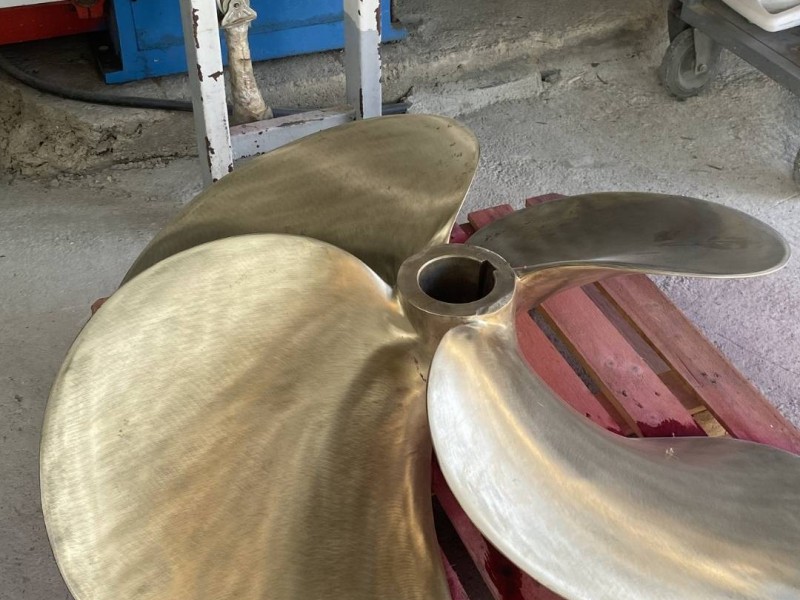
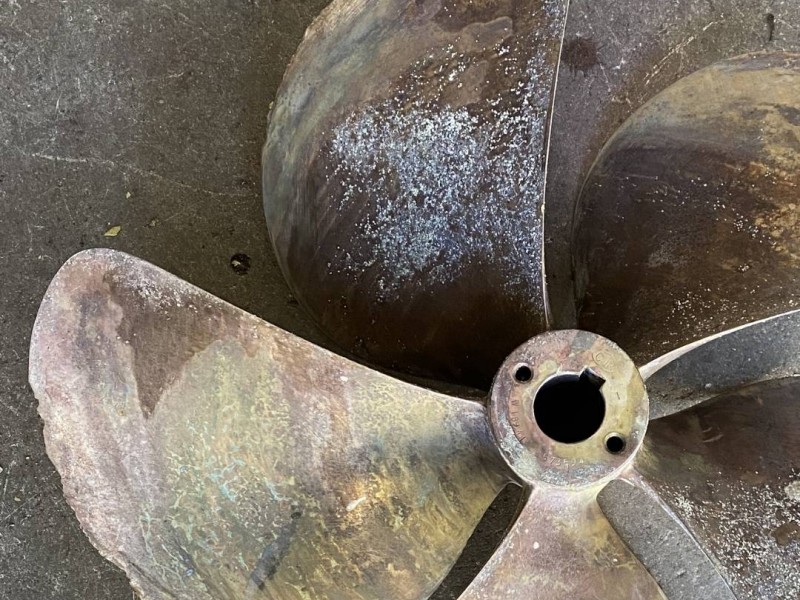
Inspection of the propeller hub, blade roots, and surface condition
Propeller pitch and blade symmetry checks using appropriate methods
NDT Inspections (Non-Destructive Testing)
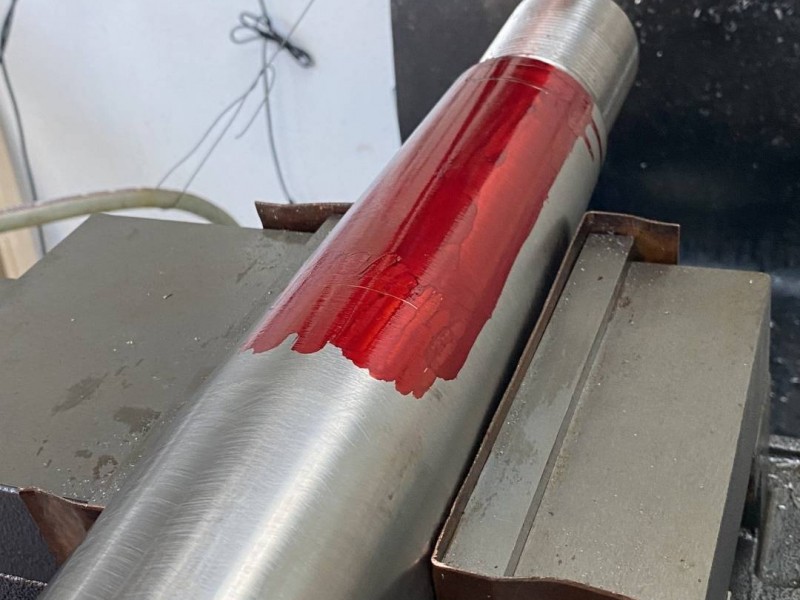
Hidden cracks and material discontinuities can grow under marine conditions and develop into critical failures. Depending on the requirement, the following inspections are planned:
Liquid penetrant testing (PT)
Mechanical Overhaul: Straightening, Surface Treatment, and Repair
Based on the measurement and inspection results, the necessary procedures are applied to the shaft and propeller:
Shaft straightening and restoring it to tolerance
Appropriate restoration processes for worn surfaces where necessary
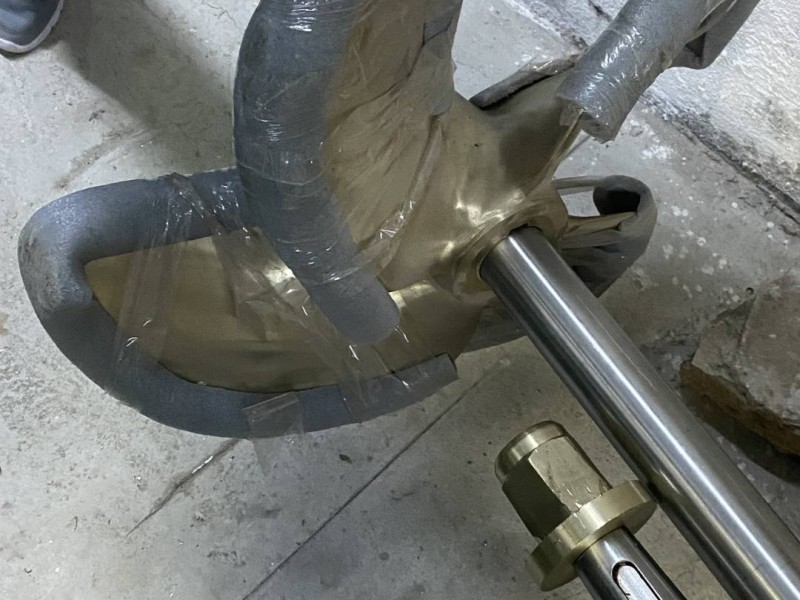
Correction of deformation on propeller blades and surface repair
Removal of cavitation-related pitting and surface deterioration
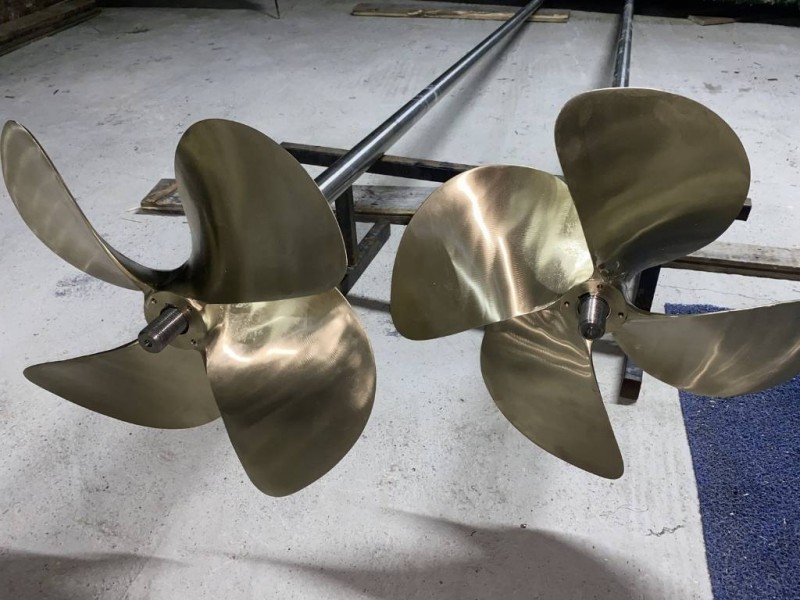
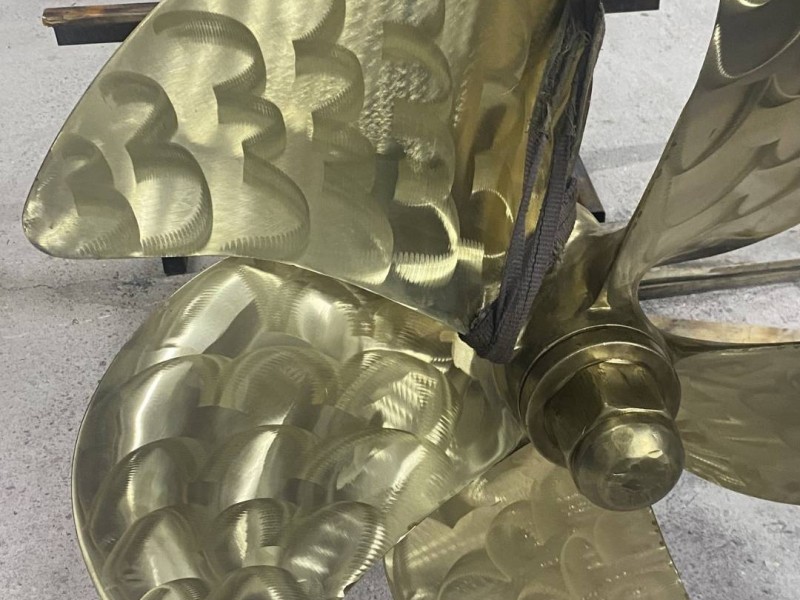
Improvement of flow quality through surface finishing and polishing where required
Balancing and Vibration Improvement
Balancing issues in the propeller and propulsion line are critical parameters for bearing life and onboard comfort. During the overhaul, appropriate balance checks and corrective actions are carried out to minimize vibration sources. The goal is smoother power transmission, quieter cruising, and lower mechanical loads.
Line and Installation Quality
For the overhaul to remain effective over time, proper installation and line standards are essential. Shaft line alignment, correct seating of connection surfaces, bolt torque discipline, and post-installation checks are performed not only to make the system operational, but to make it correct.
Testing, Reporting, and Delivery
At the end of the work, the measurements taken, procedures applied, and results obtained are documented. This creates a traceable maintenance history for the operational team and makes future maintenance and planning more predictable.
Benefits of This Service
Noticeable reduction in vibration and noise
Improved fuel consumption and more stable performance
Longer service life for shaft bearings and sealing components
Increased safety in the propulsion line
Reduced risk of unexpected failures through a planned maintenance approach
Why ECS Marin?
ECS Marin does not treat shaft & propeller overhaul as the repair of a single component, but as a holistic engineering issue of the propulsion line. By combining hands-on field experience with measurement, analysis, and process discipline, ECS Marin aims to deliver safer, more efficient, and more comfortable navigation for yachts and boats.